Website Design 2026
Website Design Introduction
Website Design in 2026 creates intelligent digital environments blending AI personalization, immersive 3D experiences, and performance-first architectures. Designers craft adaptive layouts responding to user behavior, device context, and real-time intent signals across mobile, desktop, and emerging AR interfaces. Organic aesthetics, accessibility-first principles, and conversion-focused microinteractions transform websites from static brochures into revenue-generating platforms. Modern website design prioritizes emotional connection, technical excellence, and measurable business outcomes simultaneously.
All about Website Design
Website Design encompasses strategic planning, visual aesthetics, user experience optimization, and technical implementation creating cohesive digital platforms. Designers orchestrate color psychology, typography hierarchy, spatial relationships, and interaction patterns with responsive frameworks and performance optimization. Modern approaches integrate semantic HTML, CSS Grid, WebGL effects, and JavaScript frameworks ensuring flawless execution across Safari, Chrome, Firefox, and Edge. Website design balances creative expression with conversion architecture driving visitor actions through intuitive navigation and compelling visual storytelling.
AI-Driven Personalization Systems
Artificial intelligence powers dynamic content delivery adapting layouts, recommendations, and calls-to-action based on individual user profiles and behavior patterns. Machine learning models analyze scroll depth, click patterns, and session duration serving personalized hero content and navigation options. Real-time personalization engines modify pricing displays, testimonial rotation, and feature prioritization matching predicted user intent. Designers create modular content blocks enabling AI orchestration while maintaining brand consistency across personalized experiences.
Organic Layouts and Fluid Typography
Anti-grid layouts replace rigid containers with flowing organic shapes, asymmetrical balance, and dynamic spacing systems creating natural visual rhythm. CSS Clamp enables fluid typography scaling seamlessly across viewport sizes while container queries adapt components to parent dimensions rather than screen width. Custom blob generators produce organic SVG backgrounds while CSS filters add subtle texture gradients. Bento grid systems organize content into tactile modular containers maintaining hierarchy through strategic negative space and layered depth effects.
Immersive 3D Product Experiences
WebGL-powered 3D visualizations enable interactive product exploration, architectural walkthroughs, and data storytelling optimized for 60fps performance across devices. Scroll-triggered animations reveal model details progressively while orbital controls enable 360-degree examination. Lightweight GLTF models replace heavy OBJ files reducing load times by 67% while Three.js optimizations maintain smooth interactions. Designers balance immersive spectacle with purposeful functionality ensuring 3D enhances conversion rather than distracting from primary objectives.
Performance-First Design Systems
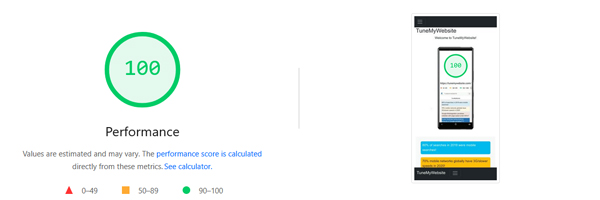
Core Web Vitals optimization shapes creative decisions ensuring Largest Contentful Paint under 1.5 seconds and Cumulative Layout Shift approaching zero. Critical CSS extraction eliminates render-blocking resources while AVIF images achieve 50% compression over WebP formats. Lazy loading prioritizes above-fold content delivery while font-display:swap prevents layout shifts during text rendering. Lighthouse Performance scores above 95 validate design excellence while Real User Monitoring captures field performance driving continuous optimization cycles.
Accessibility by Default Architecture
WCAG 2.2 compliance integrates into design methodology from wireframe phase ensuring semantic HTML landmarks, keyboard navigation parity, and sufficient color contrast ratios. Screen reader optimization structures content hierarchically while ARIA roles enhance interactive element identification. Reduced motion preferences respect vestibular sensitivities while high-contrast modes accommodate low vision requirements. Focus indicators receive equal design attention as primary states creating equitable navigation experiences across assistive technologies.
Kinetic Typography and Microinteractions
Variable fonts enable smooth weight transitions and expressive typographic animations synchronized with scroll progress and user interactions. GSAP timelines orchestrate hero section reveals while Framer Motion handles component state transitions fluidly. Hover microinteractions provide tactile feedback through scale transforms and color shifts while loading sequences communicate progress transparently. Intersection Observer API optimizes animation performance preventing jank during scroll handling across mobile and desktop environments.
Glassmorphism and Spatial Depth
Frosted glass effects create sophisticated layered interfaces through backdrop-filter:blur and rgba backgrounds maintaining readability across vibrant sections. CSS containment prevents expensive layout recalculations while backdrop filters enable true transparency effects. Spatial design principles organize content through elevation hierarchy, strategic shadows, and purposeful overlaps guiding attention intuitively. Designers employ subtle parallax depth creating realistic movement perception without compromising scroll performance or accessibility compliance.
Mobile-First Commerce Optimization
Touch-optimized interfaces prioritize thumb-friendly navigation, swipe gestures, and single-tap interactions capturing 74% of ecommerce traffic. Progressive Web App features enable offline browsing, push notifications, and home screen installation without app store approval. Mobile-specific CRO validates CTA sizing and microcopy effectiveness while gesture-based carousels enhance content exploration. Biometric authentication accelerates checkout flows reducing cart abandonment through frictionless payment experiences across iOS and Android platforms.
Website Design Summary
Website Design 2026 harmonizes artificial intelligence, immersive visuals, and performance engineering creating digital platforms outperforming native applications through universal accessibility. Organic layouts, accessibility-first architecture, and conversion-focused microinteractions elevate websites beyond functional tools into strategic revenue generators. Designers mastering AI personalization, spatial computing principles, and Core Web Vitals optimization craft emotionally resonant experiences driving measurable business growth. Technical excellence meets creative brilliance producing websites that convert, retain, and scale across global audiences.