Web Development 2026
Web Development Introduction
Web Development in 2026 represents the convergence of artificial intelligence, progressive web applications, and edge computing to create seamless digital experiences across all devices. Modern web applications leverage machine learning for personalization, real-time collaboration, and predictive user interfaces. Developers build resilient architectures combining serverless functions, micro-frontends, and content delivery networks optimized for global scale. This evolution transforms static websites into intelligent platforms driving business growth and user engagement.
All about Web Development
Web Development encompasses frontend, backend, and full-stack disciplines creating interactive web applications. Frontend development focuses on user interfaces using React, Vue.js, and emerging AI-powered component libraries. Backend development manages data persistence, authentication, and business logic through Node.js, Python Django, and serverless platforms. Full-stack developers orchestrate complete solutions integrating design systems, database optimization, and deployment pipelines. Modern web development emphasizes performance, accessibility, and progressive enhancement across diverse device capabilities.
AI-Enhanced Development Workflows
Artificial intelligence transforms web development through code generation, automated testing, and design system enforcement. AI coding assistants generate React components, API integrations, and CSS layouts from natural language specifications. Machine learning models predict performance bottlenecks and recommend optimization strategies before deployment. Visual regression testing automates UI consistency checks across thousands of component states while accessibility scanners identify WCAG violations in real-time during development.
Progressive Web Applications Standard
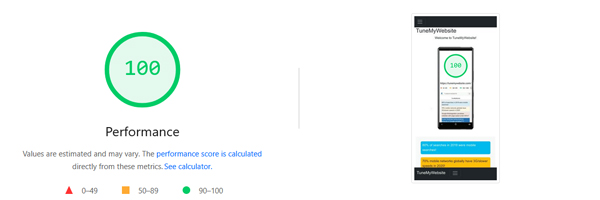
Progressive Web Applications deliver native app experiences through standard web technologies. Service Workers enable offline functionality, push notifications, and background synchronization while App Shell architecture ensures instant loading. PWAs install to home screens without app store approval and maintain full-screen immersive experiences. Lighthouse performance scores above 95 become industry standard while Core Web Vitals optimization ensures Google ranking dominance for business-critical web properties.
Jamstack and Headless Architectures
Jamstack architecture decouples frontend presentation from backend content management through API-driven development. Static site generators like Next.js and Gatsby deploy lightning-fast content sites while headless CMS platforms deliver dynamic data through GraphQL endpoints. Edge-side rendering combines static performance with dynamic personalization at 200+ global Points of Presence. This architecture achieves 99.99% uptime while reducing infrastructure costs by 80% compared to traditional server-rendered applications.
Micro-Frontends Enterprise Scale
Micro-frontend architectures enable large organizations to scale frontend development across multiple teams. Module Federation allows independent deployment of UI components while maintaining consistent user experiences. Teams own complete feature slices from design to deployment while shared design systems enforce brand consistency. Webpack 5 Module Federation reduces bundle sizes by 40% through intelligent code splitting and lazy loading across distributed frontend applications.
Serverless Full-Stack Development
Serverless architectures eliminate infrastructure management through Functions-as-a-Service platforms. AWS Lambda, Vercel, and Netlify Functions execute backend logic scalably while API Gateway manages routing and authentication. Edge functions execute JavaScript at 250+ global locations reducing latency by 70%. Durable execution frameworks maintain workflow state across function invocations while event-driven architectures replace cron jobs with declarative triggers and stream processing.
WebAssembly High-Performance Applications
WebAssembly enables near-native performance for compute-intensive web applications. Rust and C++ compile to WASM modules executing 20x faster than JavaScript for image processing, video encoding, and 3D rendering. WASI provides secure filesystem access while WASM garbage collection eliminates manual memory management. Gaming platforms, design tools, and data visualization applications leverage WASM for desktop-class performance through standard web browsers.
Real-Time Collaboration Systems
Operational Transformation and Conflict-free Replicated Data Types enable multiplayer editing experiences rivaling desktop applications. Liveblocks and Yjs power collaborative design tools, code editors, and project management platforms. WebRTC powers peer-to-peer video conferencing while WebTransport replaces WebSockets with multiplexed, reliable connections. Ably and Pusher scale real-time messaging to millions of concurrent connections through managed pub/sub infrastructure.
Performance Engineering Discipline
Modern web development treats performance as a feature with 100ms Time to Interactive targets. Core Web Vitals optimization reduces Largest Contentful Paint to under 1.5 seconds while eliminating layout shifts through CSS containment. Lazy loading, preloading, and resource hints achieve 90+ Lighthouse scores while Brotli compression reduces payload sizes by 25%. Real User Monitoring captures field performance data driving continuous optimization cycles.
Web Development Summary
Web Development in 2026 combines artificial intelligence, progressive enhancement, and global infrastructure to create intelligent web platforms outperforming native applications. Jamstack architectures, serverless backends, and micro-frontends enable massive scale while maintaining development velocity. Performance engineering, accessibility compliance, and real-time capabilities define modern web excellence. Organizations mastering these disciplines build digital platforms driving revenue growth, customer loyalty, and competitive advantage through superior web experiences.