Web Design 2026
Web Design Introduction
Web Design in 2026 blends artificial intelligence, immersive 3D experiences, and human-centered aesthetics to create digital environments that feel alive and adaptive. Designers craft organic layouts, AI-powered personalization, and performance-first interfaces that respond to user behavior in real-time. Accessibility becomes design philosophy rather than compliance checklist while fluid animations and spatial computing prepare websites for AR glasses and ambient interfaces. This evolution transforms websites from static pages into intelligent, inclusive digital spaces.
All about Web Design
Web Design encompasses visual aesthetics, user experience, interaction patterns, and technical performance creating cohesive digital interfaces. Designers combine color theory, typography, layout principles, and motion design with modern technologies like CSS Grid, WebGL, and AI personalization engines. Responsive design ensures flawless execution across desktop, tablet, mobile, and emerging form factors while performance optimization maintains 100ms interaction latency. Modern web design prioritizes user psychology, accessibility standards, and conversion-focused layouts driving measurable business outcomes.
AI-Powered Personalization Engines
Artificial intelligence transforms static websites into dynamic experiences adapting layouts, content, and interactions based on individual user behavior. Machine learning models analyze scroll patterns, hover states, and micro-interactions to serve personalized hero sections, product recommendations, and navigation flows. Real-time A/B testing optimizes design elements continuously while predictive UX anticipates user needs before explicit input. Designers create modular systems where AI assembles optimal experiences from predefined design tokens and content blocks.
Organic Shapes and Anti-Grid Layouts
Fluid layouts replace rigid grids with organic shapes, asymmetrical balance, and dynamic spacing creating natural visual rhythms. CSS Clamp functions enable viewport-responsive sizing while container queries adapt components to parent dimensions rather than screen size. Blob generators create custom organic SVGs while CSS filters add subtle texture and depth. Bento box layouts organize content into tactile, card-based modules maintaining visual hierarchy through strategic negative space and layered depth effects.
Immersive 3D and Spatial Experiences
WebGL and Three.js enable lightweight 3D product visualizations, architectural walkthroughs, and interactive data sculptures optimized for 60fps performance. Spatial computing prepares interfaces for AR glasses through depth-based layouts and gesture interactions. Scroll-triggered animations reveal 3D elements progressively while parallax depth creates realistic spatial movement. Designers balance immersive spectacle with purposeful functionality ensuring 3D enhances rather than distracts from primary user objectives.
Accessibility-First Design Philosophy
WCAG 2.2 compliance evolves into proactive inclusive design baked into creative process from initial wireframes. Semantic HTML structures support screen readers while keyboard navigation matches mouse interactions pixel-perfectly. Reduced motion preferences respect vestibular sensitivities while high-contrast modes accommodate visual impairments. Color contrast analyzers validate 4.5:1 ratios across dynamic content while focus indicators receive equal design love as primary interactive states. Accessibility transforms from checklist to competitive advantage.
Micro-Interactions and Kinetic Typography
Subtle animations provide continuous feedback through hover states, loading sequences, and state transitions creating responsive digital environments. Variable fonts enable smooth weight transitions and expressive typographic animations synchronized with scroll progress. GSAP timelines orchestrate complex animation sequences while Intersection Observer API triggers reveal animations efficiently. These details elevate perceived quality creating premium brand experiences through thoughtful motion design and interaction choreography.
Performance as Design Material
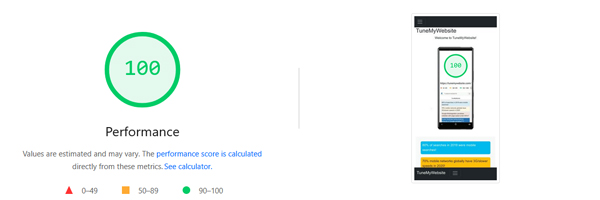
Core Web Vitals optimization becomes creative constraint driving innovative solutions. AVIF images replace WebP achieving 50% smaller file sizes while lazy loading prioritizes above-fold content. Critical CSS inlining eliminates render-blocking resources while font-display:swap prevents layout shifts. Lighthouse Performance scores above 95 become table stakes while Real User Monitoring captures field performance driving continuous optimization. Speed transforms from technical requirement into experiential quality.
Glassmorphism and Spatial Hierarchy
Frosted glass effects create layered depth through backdrop-filter:blur and rgba backgrounds maintaining readability across vibrant hero sections. Backdrop filters enable true transparency effects while CSS containment prevents expensive recalculation chains. Spatial design principles organize content into meaningful zones through elevation, shadows, and strategic overlaps. These techniques create sophisticated visual hierarchies guiding attention through complex layouts intuitively without explicit instruction.
Dark Mode and System Preferences
Dark mode achieves standard status through prefers-color-scheme media queries automatically matching system preferences. Dual-theme design systems maintain brand consistency across light and dark canvases while preserving accessibility ratios. Reduced blue light emission improves prolonged reading comfort while matte textures minimize eye strain. Dynamic theming responds to time of day and usage context creating contextual experiences matching user environmental conditions and biological rhythms.
Web Design Summary
Web Design 2026 harmonizes cutting-edge technology with human-centered principles creating intelligent, inclusive, and immersive digital environments. AI personalization, organic aesthetics, and performance optimization elevate websites beyond functional tools into strategic business assets. Designers mastering spatial computing, accessibility philosophy, and motion choreography craft experiences outperforming native applications through universal browser accessibility. This holistic approach delivers measurable conversion improvements through emotionally resonant, technically flawless digital interfaces.